Korean Nose Filler: Methods, Materials, and Prices Explained
Many hesitate at the word “surgery” when first considering nose enhancement. In Korea, 【nose fillers】 became the alternative — no incision, no implant, walk out after treatment. It sounds simple, but “how to choose Korean nose fillers” is far more complex than imagined.
Some spend 300,000 KRW and their nose bridge lasts six months; others spend 800,000 KRW and it lasts three years. The difference isn’t the injection — it’s the 【method, materials, and doctor】.
Methods: Not Just “One Injection”
Many think Korean nose fillers mean “injecting hyaluronic acid into the nose.” In reality, Korean clinics are far more sophisticated.
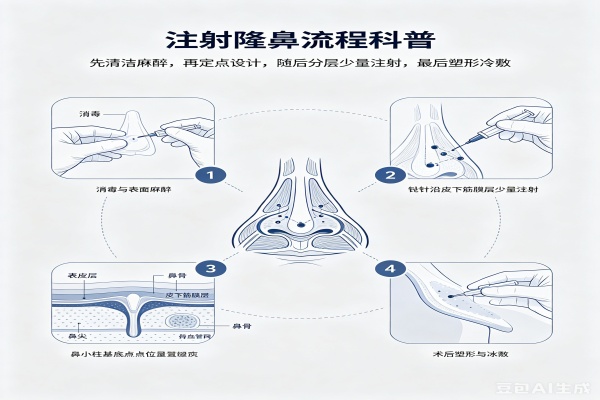
【Pure hyaluronic acid injection】 is the most basic method. Doctors use fine needles to inject HA into the bridge, tip, or columella, shaping on the spot. Takes about 【10-30 minutes】. Large-molecule HA provides structural support for the bridge; small-molecule HA refines the tip.
【Thread + filler combination】 is increasingly common. Absorbable PDO/PCL threads are first embedded to provide physical support via barbs, then HA fillers shape the nose. Hongdae Jfeel offers this combo for about 【240,000-400,000 KRW】 (approx. 180-300 USD).
【Comprehensive nose creation】 is more advanced. Custom fillers are injected into the bridge while specialized implants are placed at the tip, with fillers filling depressions and gradually elevating the nose. Hongdae Jfeel’s comprehensive nose creation runs about 【300,000-460,000 KRW】 (approx. 225-345 USD).
【Tip sculpting injection】 targets the tip’s soft tissue with botulinum toxin and fat-dissolving ingredients, relaxing the depressor septi muscle and reducing tip tissue thickness.
Materials: Hyaluronic Acid Is Not “One Thing”
What material you choose directly determines how long results last.
【Large-molecule HA】 is the hardest with strongest support, used for deep filling and contour shaping — nose fillers, chin augmentation, temple filling. Korean mainstream brands include 【Juvéderm Voluma】 (approx. 450,000-610,000 KRW/1cc) and 【Restylane】 (from 450,000 KRW/1cc).
【Medium-molecule HA】 has moderate texture, used for the tip and columella. Lasts about 6-12 months. Korean basic fillers from 【100,000-300,000 KRW/1cc】, imported brands 【300,000-600,000 KRW/1cc】.
【Collagen】 is milky white, suitable for those also concerned about dark circles. Juvelook collagen injections about 【450,000-900,000 KRW】 per session. Shorter duration than HA, about 【3-6 months】.
Korean Nose Filler HA Brand Price Reference (2026):
| Brand/Type | Price (KRW/1cc) | Approx. USD |
|---|---|---|
| Korean basic filler | 100,000-300,000 | 75-225 |
| Imported brand (general) | 300,000-600,000 | 225-450 |
| Juvéderm Voluma | 450,000-610,000 | 338-458 |
| Restylane | From 450,000 | From 338 |
| Nasal base premium filler | From 800,000 | From 600 |
Prices: From 100K to 800K — Where’s the Difference?
Price differences mainly come from 【material brand, dosage, and doctor qualifications】.
- 【Basic:】 Korean HA 1cc about 【100,000-300,000 KRW】 (approx. 75-225 USD). For first-timers on a budget.
- 【Mid-range:】 Imported brands 1cc about 【300,000-600,000 KRW】 (approx. 225-450 USD).
- 【Premium:】 Juvéderm Voluma about 【450,000-610,000 KRW/1cc】, nasal base premium filler from 【800,000 KRW/1cc】.
- 【Combination:】 Thread + filler about 【240,000-400,000 KRW】. Comprehensive nose creation about 【300,000-460,000 KRW】.
Hongdae area prices are typically about 30% lower than Gangnam.
How Long Do Results Last?
Duration depends on material and individual metabolism:
- 【HA nose fillers】 typically last 【6-18 months】. Large-molecule (bridge) lasts 【12-18 months】; small/medium-molecule (tip) lasts 【6-12 months】.
- 【Collagen】 lasts about 【3-6 months】.
Individual metabolism speed, injection depth, and aftercare all affect duration. Fast metabolizers may need touch-ups at 6 months; slow metabolizers can last 18 months.
Important Safety Notes
Korean nose fillers are minimally invasive with quick recovery, but 【risks are real】.
- 【Vascular embolism is the most serious risk.】 The nose has dense blood vessels — improper injection depth can cause filler to enter blood vessels, leading to skin necrosis or even blindness. Reports indicate approximately 6 deaths per year in Korea from aesthetic procedures including filler injections. 【Choosing an experienced, qualified doctor is the most effective risk mitigation.】
- 【Translucency:】 Injecting too superficially can cause the nose to appear blue under strong light. Large-molecule HA and experienced doctors reduce this risk.
- 【Post-treatment reactions:】 Mild redness, swelling, and tenderness may occur, typically subsiding within 【3-5 days】.
- 【Aftercare:】 Avoid pressing the nose for 【24 hours】, avoid strenuous exercise and saunas for 【1 week】. High-altitude pressure changes may worsen swelling or cause displacement — wait at least 【3-5 days】 before flying.
Korean nose fillers are not as simple as “one injection.” Method, materials, and doctor — three variables determine effectiveness and safety. Knowing whether you want basic filling or comprehensive creation, choosing the right materials, and finding a qualified clinic with experienced doctors matters far more than just looking at the price.
Disclaimer: Price information is compiled from public sources and industry reports for reference only. Specific plans and costs should be determined by a professional doctor through in-person consultation.