Korean Dark Circle ‘Layered Treatment’ Logic: Your Dark Circle Type Determines the Method
Dark circles under the eyes — concealer can’t hide them, bare face looks exhausted. Many think dark circles are just from “not sleeping enough.” But in Korea’s dark circle treatment system, dark circles are never a single problem. Gangnam dermatology doctors don’t recommend treatments first — they use professional equipment for skin analysis, examining pigmentation, blood vessels, and structural hollowing to determine the type, then provide targeted Korean dark circle solutions.
Three Types of Dark Circles, Three Solution Paths
【Pigmented dark circles】: Brown or purplish-brown under the eyes, related to genetics, UV exposure, and pigment deposition. Pigment is deposited in the skin — eye cream barely penetrates. Korean treatment mainly uses pigment lasers or picosecond lasers to break down melanin particles through specific wavelengths.
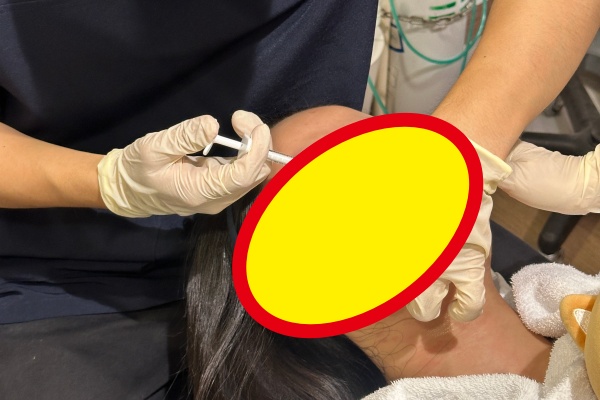
【Vascular dark circles】: Bluish-purple under the eyes, common in those who stay up late, have thin skin, or poor circulation. Periorbital skin is about 1/3 the thickness of other facial areas, making blood vessel colors visible. Korean treatment commonly uses injection-based repair (Rejuran i, Juvelook I) plus gold microneedling to thicken the skin barrier and improve microcirculation.
【Structural dark circles】: Tear trough hollowing, under-eye shadows, looking “tired.” This is shadow caused by bone or fat loss — skincare is completely ineffective. Korean treatment uses HA tear trough filling or nano-fat grafting to fill hollows and eliminate shadows.
Many people have 【mixed type】 — two or even three problems combined. This is why single methods often have limited effect. The core Korean approach is layered treatment: first determine your dark circle type, then use corresponding methods to address each issue.
Injection Treatments: Rejuran i and Juvelook I
【Rejuran i (White Box)】 is the foundational eye area repair option in Korean dark circle treatment. The core ingredient is PDRN (repair component extracted from salmon DNA), which repairs damaged skin barriers, promotes collagen regeneration, and increases skin thickness and elasticity. The texture is finer than regular skin boosters, specifically designed for under-eye, tear trough, and fine line areas.
Suitable for 【vascular dark circles, dry and dull periorbital skin, fragile barrier.】 Lasts about 4-6 months, suitable for regular maintenance. Korean price about 【150K-500K KRW】 (~800-2,650 RMB) per ampoule.
【Juvelook I (Green Bottle)】 is a popular eye area anti-aging option for 2024-2026. Core ingredients: PDLLA (poly-D,L-lactic acid) + non-cross-linked HA. HA provides immediate hydration and filling; PDLLA continuously stimulates collagen production over 2-4 weeks. Soft texture, moderate injection depth, suitable for 【structural dark circles, periorbital fine lines, mild hollowing, skin laxity needing light support.】 Lasts about 【6-12 months】, better results with treatment courses. Korean price from about 【2,580 RMB】 per ampoule.
【Which to choose?】 Sensitive eye area, mainly vascular dark circles -> Rejuran i; tear trough hollowing, periorbital laxity, wanting to improve both structure and skin quality -> Juvelook I. They can also be combined — Rejuran i repairs the barrier first, then Juvelook provides contour support. This is a common combination in Korean dark circle treatment.
Structural Improvement: HA Filling and Nano-Fat Grafting
For shadow-type dark circles caused by tear trough hollowing, filling is the only effective method. This is the most direct approach for structural problems in Korean dark circle treatment.
【HA tear trough filling】: Inject HA into under-eye hollows to fill tear troughs and eliminate shadows. Korean reference price about 【600K-1.4M KRW】 (~3,200-7,400 RMB). Beauty Lounge Hongdae branch dark circle filling: Neuramis about 【259K-359K KRW】, Juvéderm about 【389K-489K KRW】. Lasts about 6-12 months, requires regular touch-ups.
【Nano-fat grafting】: Small amounts of fat extracted from abdomen or thigh, processed into “nano-fat,” and injected into under-eye hollows. Unlike traditional fat grafting, nano-fat focuses on 【skin quality improvement and regeneration effects】 rather than simple volume filling. Contains high-concentration SVF (stromal vascular fraction) promoting skin regeneration. Shallow injection depth, especially suitable for thin-skin areas like the eye area. Noonopi Plastic Surgery is a representative clinic. Korean lower eyelid fat repositioning reference price about 【2M-2.5M KRW】 (~11,000-13,000 RMB).
Energy-Based Treatments: Laser and RF
【Pigment laser】: Targets pigmented dark circles, breaking down melanin through specific wavelengths. Barog Dermatology dark circle laser about 【59K KRW】. Typically requires multiple sessions, a standard option for pigmented-type dark circles in Korea.
【Gold microneedling】: Combines microneedling with RF energy to stimulate collagen and improve circulation. BTN Dermatology commonly uses gold microneedling + regenerative injectables for vascular dark circles — a mature comprehensive approach in Korean dark circle treatment.
Surgical: Lower Eyelid Fat Repositioning
For severe structural dark circles with both prominent eye bags and tear trough hollowing, injections have limited effect — surgery may be needed. Fat repositioning uses an inner conjunctival incision to redistribute protruding fat into tear trough hollows. No external scars, solves both “bulging” and “hollowing” in one procedure. Korean reference price about 【2M-2.5M KRW】 (~11,000-13,000 RMB).
Price Reference Summary
| Treatment | Reference Price (KRW) | Approximate (RMB) |
|---|---|---|
| Rejuran i (White Box) | 150K-500K | ~800-2,650 |
| Juvelook I (Green Bottle) | From ~2,580 | From ~2,580 |
| HA tear trough filling | 600K-1.4M | ~3,200-7,400 |
| Lower eyelid fat repositioning (surgery) | 2M-2.5M | ~11,000-13,000 |
| —— |
Tips for Dark Circle Treatment in Korea
- 【Determine type first, then treat.】 Dark circles aren’t “one disease.” Pigmented, vascular, and structural types have completely different solution paths. The first step in Korean treatment is professional skin analysis — not directly recommending treatments.
- 【Eye area procedures test doctors more than facial ones.】 Thin skin, dense blood vessels — injection depth and dosage control require extreme precision. Korean law requires injection procedures to be performed by board-certified plastic surgeons. Choosing an experienced doctor is key.
- 【Don’t just look at single-session prices.】 Rejuran i seems cheap per session but needs touch-ups every 4-6 months; Juvelook I costs more per session but lasts longer, offering better long-term value. Consider full course costs when budgeting.
Eye area problems are never “solved with one injection.” The core Korean logic is layered treatment — targeting different causes with corresponding methods to restore the eye area from the root. Choosing the right type, method, and doctor matters far more than choosing the cheapest price.
Disclaimer: This article is compiled from public sources for reference only. Specific treatment plans and costs should be based on professional doctor consultation. This article does not constitute medical advice or a recommendation for any clinic or doctor.